
OFFICIAL WEBSITE OF

International Media and Information Literacy Institute (IMILI)

Advance media and information literacy knowledge through evidence-based research and analysis of media and information literacy for peace, justice, and sustainable development.

Act as a clearinghouse on best practices and contributing to stimulating the development of sustainable international, regional, and national media and information policies and strategies, including in the African continent and in cooperation with the African Union

Influence priority setting of media and information literacy in global development agenda, fostering open and transparent dialogue on MIL towards the achievement of Sustainable Development Goals (SDGs) especially SDGs 3, 4, 5, 13, and 16 and in connection to the follow-up of the Pact for the Future

Leverage convening and networking power across the globe for South-South and North South cooperation on research, capacity enhancement, and advance consensus for integrating media and information literacy and digital competencies in educational planning and management, curriculum development and teacher training

THIS WEBSITE IS BEING UPDATED


About IMILI

The International Media and Information Literacy Institute (IMILI), being the first of its kind, aims to serve as an international observatory for Media and Information Literacy development and catalyst for sustained research that offer empirical evidence on the social impact of MIL globally.

VIDEO: Nigeria gets UNESCO’s first International Media, Information Literacy Institute

The United Nations Educational, Scientific and Cultural Organisation, UNESCO, formally approved the designation of the International Media and Information Literacy Institute, Abuja.

‎The Minister of Information and National Orientation, Mohammed Idris, disclosed this during a world press conference in Abuja.

‎The approval came at the instance of the UNESCO 43rd General Conference of the Communication and Information Commission (CI Session) held in Samarkand, Uzbekistan.

With this approval, Nigeria is positioned as a global leader in the fight against misinformation and disinformation, empowering it to spearhead international research, policy dialogue, and capacity-building in a critical 21st-century digital field.

Vision Statement

IMILI’s vision is a “Media and Information Literate World”  a world that embraces the value of media and information literacy for the future that we want; a world that recognises empirical evidence of media and information literacy impact on social life and ensures that it is inclusively and sustainably, rightfully accessible to all.

Mission Statement

Our mission is to “Strengthen research and cooperation that bolster MIL for all for a just, peaceful and sustainable future”.

A Rationale linking Vision and Mission

We believe that the best way to effectively manage the inevitable and permanently evolving information superhighway and digital transformation and to help people to maximize the benefits in ways that last – with the final goal being people centered development interwoven with information integrity – is to strengthen media and information literacy development through public and private cooperation: stirring the will and commitment of political, social, economic, cultural, and religious systems and processes that influence information creation, dissemination and use.

Basically, developing knowledge about people self-empower and their enablement to understand of information, how it is produced and disseminated, and by whom; how people use information or not, how they engage with libraries, the media and digital services, or not; what knowledge, skills, and attitude people need to ,evaluate information; and how people can manage their interaction with information, digital technology and media to achieve desired outcomes in their personal, social, political, economic, cultural, and religious lives.

FG lauds NOUN for excellence in Open and Distance Learning, says IMILI to promote civic enlightenment

IMILI, UNESCO host global MIL Week as FG reaffirms commitment to promoting responsible AI adoption

NewsNigeria gets UNESCO’s first International Media, Information Literacy Institute

Position as a think-tanktofacilitateinnovation in MIL development in Africa and globally, developing a regional pool of individual and institutional expertise while building an international network for shared knowledge and universal coverage

Generate state-of-the-art capacity development methodologies (including in conflict and crisis situations and for specific groups such as women as well as marginalised groups such as youth, the people living with disability, and minority groups) and MIL initiatives assessment/evaluation

Ensure domestication and operationalization of international conventions, recommendations and declarations related to MIL in consonance with the social, cultural and economic realities of Africa and globally.

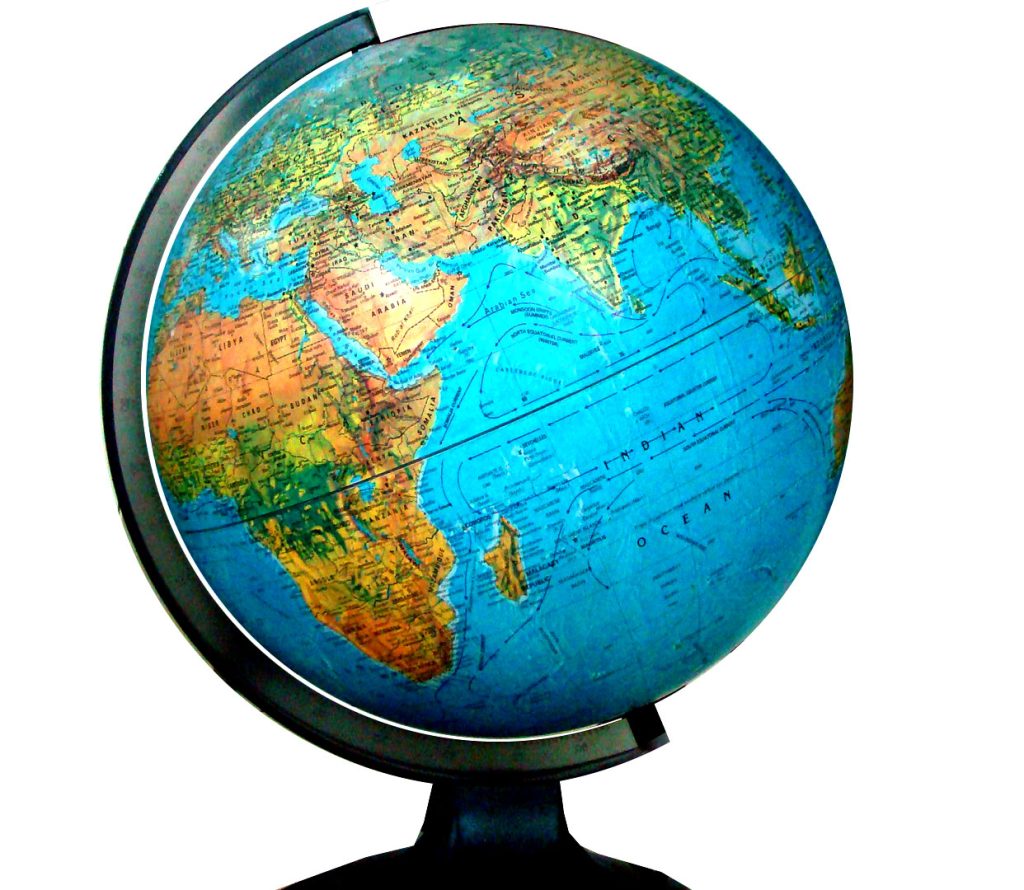
Geographical coverage of the institution

The Institute is projected to strengthen international coordination, provide enhanced global leadership in building inclusive, just and peaceful knowledge societies, as well as ensuring diversity and protecting human rights and fundamental freedoms towards achieving the ambitions and targets of SDGs by mobilizing partners in a coordinated effort.

In connection with UNESCO Global Priority Gender Equality, IMILI will develop and implement research and capacity development activities on enlisting media and information literacy for gender equality and women and girls’ empowerment. 

Strategic Objectives.

1. Incrementally increase – over three, seven- and ten-years intervals – track, package and present to different stakeholder groups – inclusive collaborative research and intercultural knowledge generation on media and information literacy for social and democratic discourses, peace, and sustainable development;

 2. Within seven to ten years, stimulate, increase and monitor the availability of media and information literacy trainers (educators, teachers, policymakers, government officials, community leaders, first responders, influencers, etc.), to develop, implement and enhance capacity development approaches.

 3. To develop and sustain media and information literacy multi-stakeholder dialogues and platforms leading to new commitments to accelerate media and information literacy to address digital transformation opportunities and challenges.

“IMILI’s reports have transformed the way I approach media content. Their comprehensive and accessible format makes complex information easy to digest and apply.”
George Obinna
Media Analyst
“The reports from IMILI have significantly broadened my understanding of media literacy. They are a vital resource for anyone looking to deepen their knowledge in this field.”

Wale Akande
Wale Akande
“As a journalist, staying informed is crucial. The insights provided by these reports have been invaluable in my work, offering fresh perspectives and data-driven analysis.”

Aisha Abba
Investigative Journalist
© 2026. International Media and Information Literacy Institute (IMILI) (All Rights Reserved.